Energy Audit & Efficiency Assessment
A thorough evaluation of your facility's energy consumption provides the foundation for all subsequent optimization efforts. Our audits employ calibrated measurement equipment and proven analytical methodologies to identify inefficiencies across all systems.
The assessment process includes detailed examination of heating and cooling systems, lighting infrastructure, process equipment, building envelope performance, and operational practices. Data collection typically spans several weeks to capture variations across different operational modes.
Deliverables include a comprehensive report documenting current energy use patterns, quantified improvement opportunities ranked by return on investment, and implementation recommendations with projected savings calculations.

Renewable Energy Transition Planning
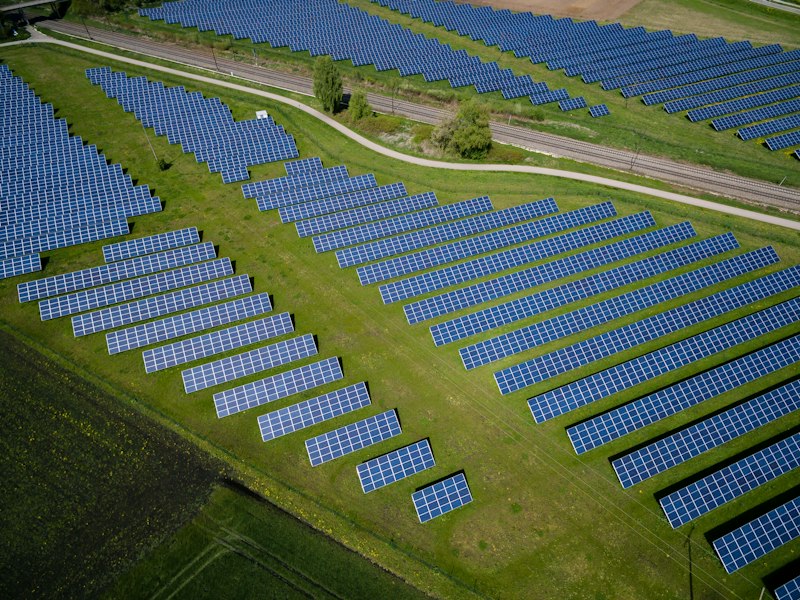
Transitioning from conventional to renewable energy sources requires careful strategic planning to ensure technical viability and financial sustainability. Our transition planning service develops comprehensive roadmaps customized to your organization's specific requirements and constraints.
The planning process evaluates available renewable technologies including solar, wind, biomass, and geothermal systems. Site assessments determine resource availability and technical feasibility. Financial analysis models capital costs, operational savings, available incentives, and projected returns across multiple scenarios.
The resulting plan provides a phased implementation strategy that balances immediate opportunities with long-term objectives, including specific technology recommendations, sizing calculations, and procurement guidance.
Solar & Wind Installation Consulting
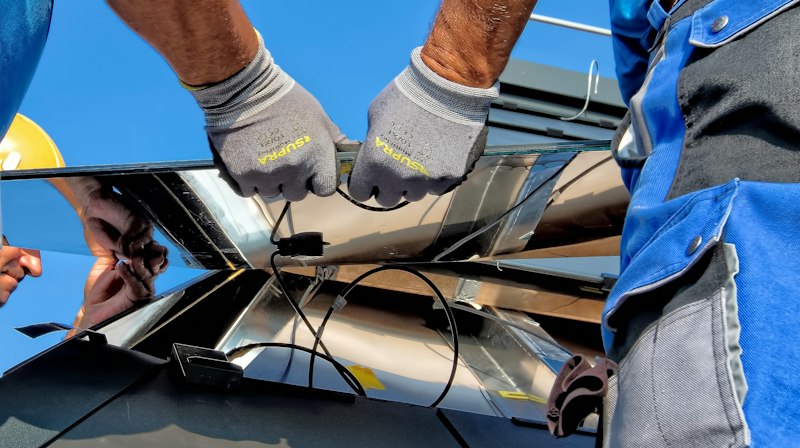
Successful deployment of solar photovoltaic or wind generation systems depends on making informed decisions about technology selection, system sizing, and installation approaches. Our consulting service guides you through this complex process.
We conduct detailed site assessments to evaluate solar exposure or wind resources, structural capacity for equipment mounting, electrical infrastructure compatibility, and regulatory requirements. Technology recommendations consider equipment reliability, warranty terms, and long-term performance characteristics.
Support extends through system design review, contractor selection, installation oversight, and commissioning verification. Our involvement helps avoid common pitfalls and ensures installed systems meet performance specifications.

Carbon Footprint Reduction Strategy
Organizations face increasing pressure to demonstrate measurable progress in reducing carbon emissions. Our carbon reduction strategy service develops actionable plans to minimize your organization's carbon footprint through practical, achievable interventions.
The process begins with comprehensive carbon accounting to establish a baseline across Scope 1, 2, and relevant Scope 3 emissions. We then identify reduction opportunities through energy efficiency improvements, renewable energy adoption, process modifications, and supply chain optimization.
Strategies are prioritized based on reduction potential, implementation complexity, and cost-effectiveness. The deliverable includes specific reduction targets, implementation timelines, measurement protocols, and reporting frameworks aligned with recognized standards.
Sustainable Building Design Consultation
Integrating energy efficiency and sustainability into building design from the earliest stages produces far better outcomes than retrofitting after construction. Our design consultation service works with architects, engineers, and owners during building development.
We provide input on building orientation, envelope design, daylighting strategies, HVAC system selection, renewable energy integration, and water conservation measures. Recommendations balance performance targets with budget constraints and aesthetic considerations.
Services include energy modeling to predict building performance, specification review to ensure consistency with sustainability objectives, and value engineering to optimize cost-effectiveness. Our involvement helps projects achieve green building certifications while controlling construction costs.


Energy Management Systems Implementation
Continuous monitoring and active management of energy consumption enables ongoing optimization that static efficiency improvements cannot achieve. Our energy management systems service helps organizations implement intelligent monitoring and control infrastructure.
The implementation process includes defining monitoring requirements, selecting appropriate hardware and software platforms, designing sensor and control point placement, and establishing data collection protocols. We also develop reporting dashboards that translate raw data into actionable insights.
Beyond initial installation, we provide training for facility staff on system operation and data interpretation. Proper use of these systems typically reveals additional optimization opportunities and enables rapid identification of equipment performance issues.